Redefining healthcare for real clinics
We build the software African health providers run on.
Registered with the Corporate Affairs Commission, Nigeria

Records unified
134M
Uptime, 2025
99.7%
Inside X2H: what it takes to put a Nigerian hospital on one record system
By Xeventy2.0 Health Limited
So what is Xeventy2.0 actually about?
09:14We are a digital health company. Xeventy2.0 Health Limited builds the systems a hospital runs on, secures the records those systems hold, and trains the people who use them.
09:15And if we already have a system we are not replacing?
09:16Then we connect to it. X2A reads the EMR you already run, and most of our work starts as an integration rather than a rip-out. Here is the full range.
09:16Bridging technology and patient care
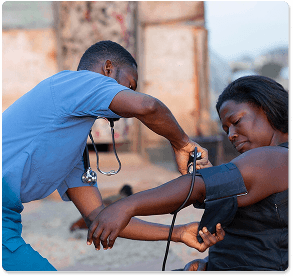
Four practices that tend to arrive together: the system, the safeguards around it, the reach it gives you, and the people who have to run it on a Monday morning.
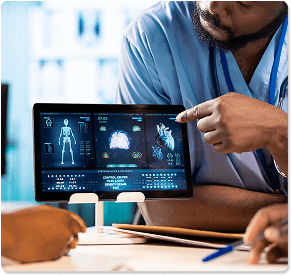
Five systems that already talk to each other
Take one, take all five, or keep the software you have and let ours read from it. Every product ships with the training and the handover documentation.
Work that left something running behind us
 Nigeria
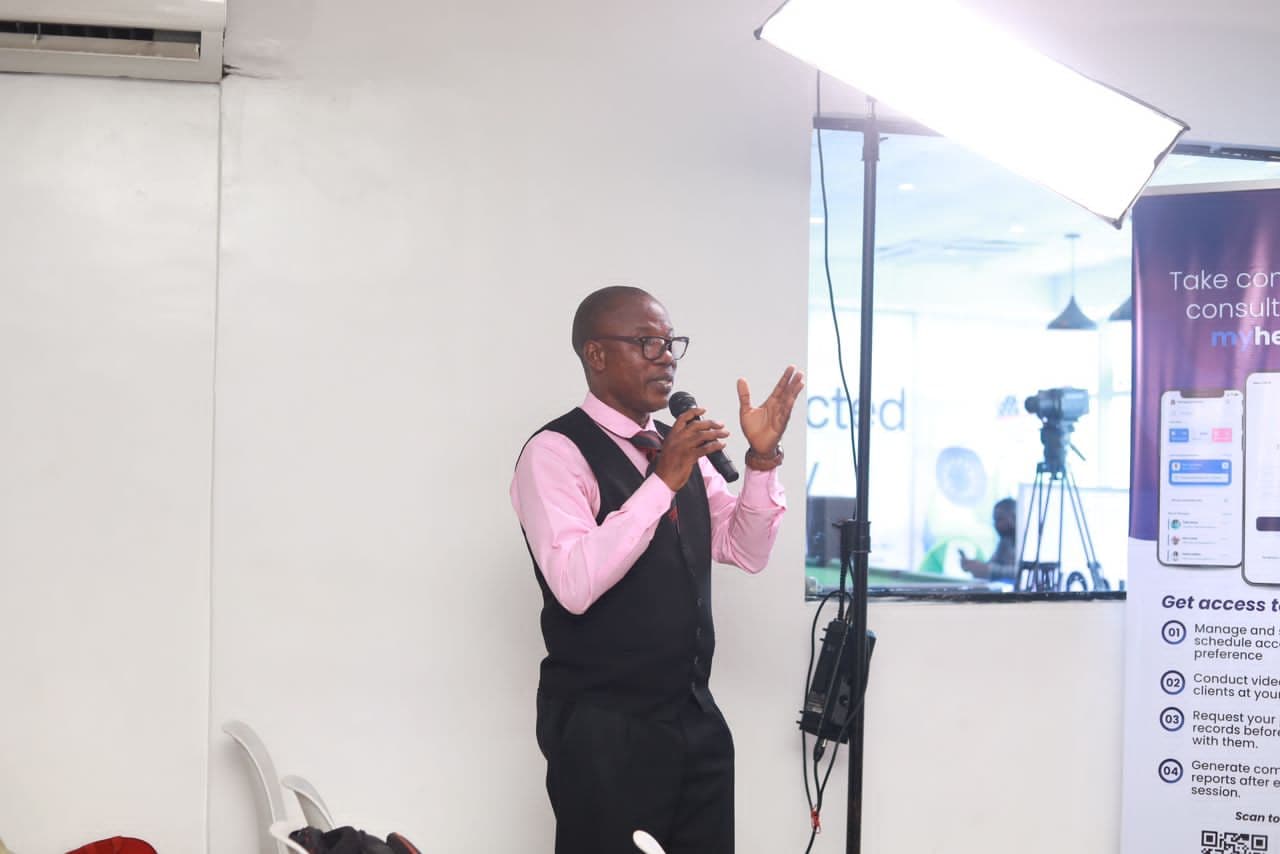
Digital Health Mentorship Programme
Mentoring early-career professionals with the Society for Telemedicine and eHealth Nigeria, in collaboration with Care One.
 Jamaica
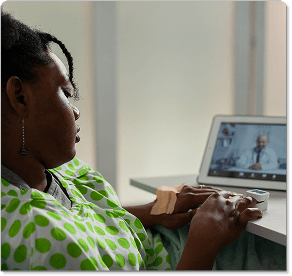
Telemedicine for Portmore North
A sustainable telemedicine model designed around what the community's clinics could realistically staff and maintain.
 Uganda
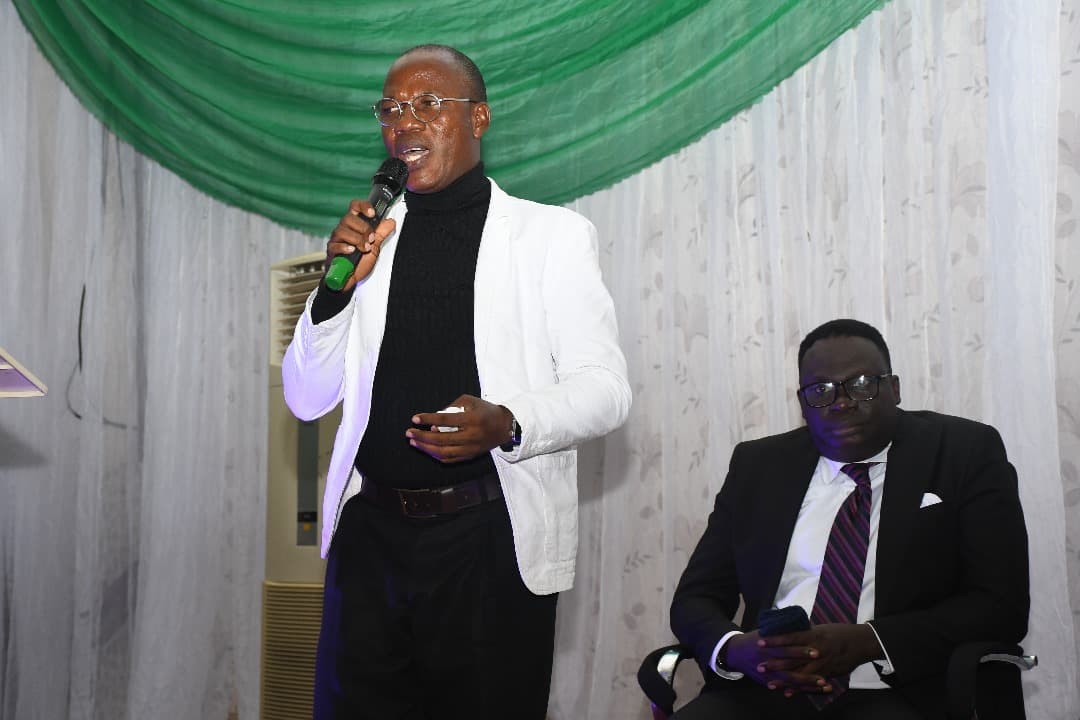
The UgaVax Project
Digital tracking of childhood immunisation coverage, built with MedRef so health workers could record a dose offline and sync later.
 Multi-site
EMR Optimisation Consulting
Fixing the EMR a facility already owns — workflow, templates and reporting — rather than selling it a replacement it did not need.
 West Africa
Integrated EMR and EHR Builds
Records systems built for hospitals, clinics and pharmacies, with interoperability treated as a requirement rather than a later phase.
 Nigeria
Health Data Protection Programmes
Compliance models, staff training and incident procedures that hold up when a regulator, not a consultant, is the one asking.
 Nigeria
Digitising Traditional Medicine Records
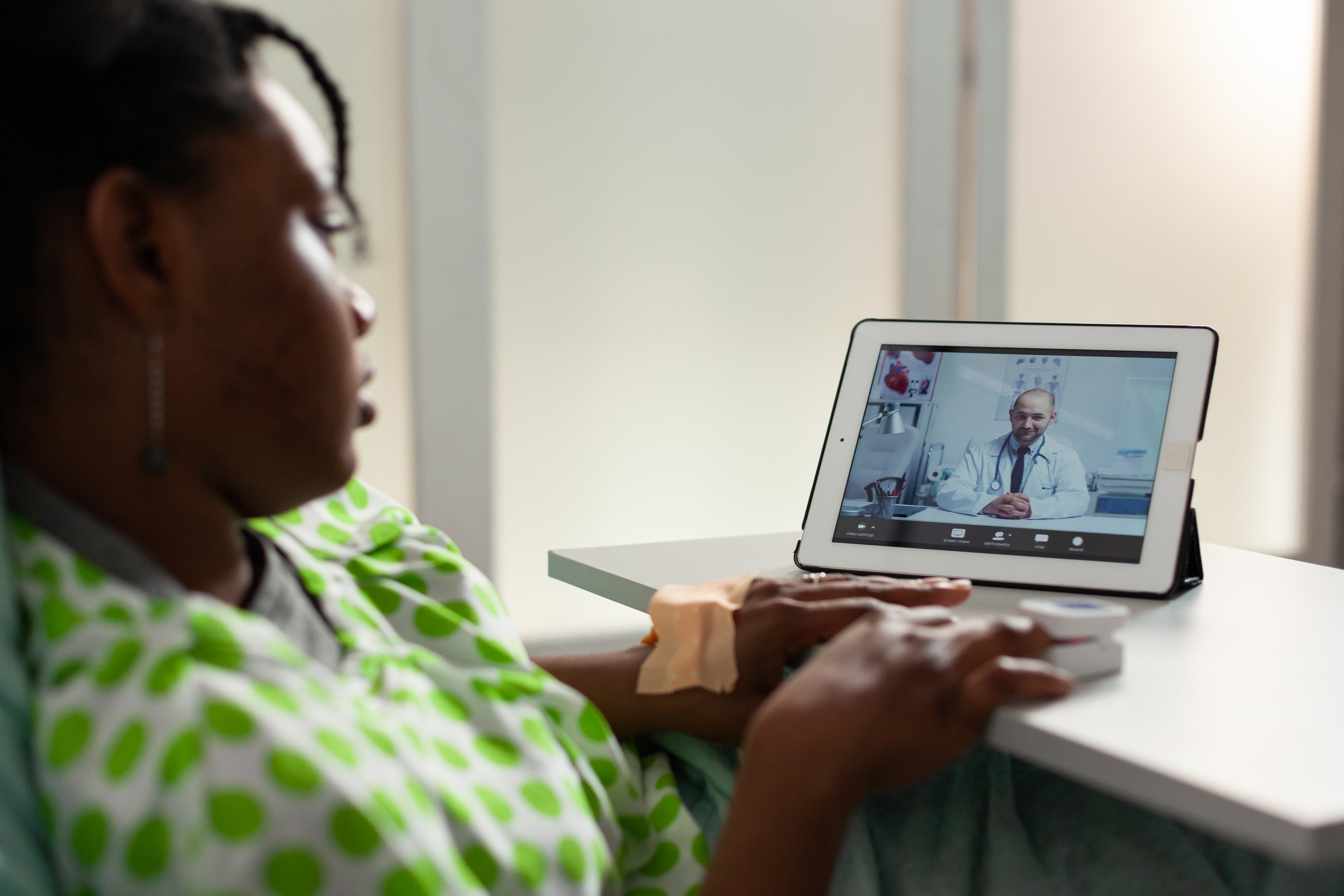
Bringing traditional practice into the same digital record as everything else, so a patient's full history is visible in one place.
Software is the easy half
Health systems fail on adoption far more often than on code. So our process spends most of its time on the parts that are not code at all.
Step 01
We sit in your clinic first
Before anything is quoted, we watch a full day: the paper, the queue, the handover, the parts of the job the last system made harder. Most of what we would have built turns out to be wrong.
Step 02
We scope what you actually need
Sometimes that is a hospital management system. Sometimes it is three changes to the EMR you already own. We will tell you which, including when the answer costs us the larger contract.
Step 03
We build for the network you have
Offline-first where the connection drops, low-bandwidth where it does not, and interoperable so the next vendor after us can read the data without paying a toll.
Step 04
We train the people, not the room
Ward clerks, pharmacists, lab scientists and the IT officer who will be alone with it at 2am — each on the workflow they own, on the live system, before go-live.
Step 05
We stay past go-live
The first eight weeks decide whether a system is adopted or quietly abandoned. We are on site, on call, and fixing the things nobody could have predicted from a requirements document.
Organisations we build, deploy and train alongside





Build the health system you would want your family treated in
We hire engineers who ask clinical questions and clinicians who are not afraid of a schema. The work is unglamorous in the best way: a dispensing screen that loads on a bad connection changes more outcomes than most conference talks.
If that sounds like the kind of problem you want on your desk, tell us what you have built and what you would fix first.
Talk to us about a role
The questions we get asked before the first meeting
If yours is not here, ask it directly — we would rather answer it once properly than have you guess.
What we learned this month, from inside real facilities
Deployment write-ups, compliance changes worth acting on, and the occasional post-mortem of something we got wrong. Written for people who run health services, not for a mailing list.